
Understanding Luck in Casino Games
Luck is often viewed as a whimsical force that can dramatically affect outcomes in various scenarios, especially in casinos. In games of chance like slots, roulette, and dice, players rely heavily on luck to win. These games are designed to be random, meaning each spin or roll is independent of previous outcomes. While skill plays a role in certain games like poker, the fundamental nature of many casino games suggests that luck is a significant factor in determining success, which is why many players enjoy platforms like MCW Casino that offer a variety of options. This randomness creates an unpredictable environment where players must navigate their fortunes with little control over the outcome.
The concept of luck can be further illustrated by understanding the odds associated with different games. For example, in roulette, the chance of landing on a specific number is just 1 in 37 for European roulette. Despite this slim chance, players often believe that by choosing particular numbers or colors based on past results, they can influence their luck. Such beliefs can drive players to make decisions that hinge more on superstition than probability, highlighting how deeply ingrained the concept of luck is in casino culture. This inclination toward superstitious behavior can often overshadow the mathematical realities of the games being played.
Moreover, the role of luck in casino games often creates a sense of excitement and anticipation. Players might feel a surge of adrenaline with each card drawn or each spin of the wheel, contributing to the overall entertainment value of their experience. This heightened emotional state is not only exciting but can also lead to perceived enhancements in luck, as players often recall their wins more vividly than their losses, reinforcing a psychological bias towards the belief that luck is on their side. This phenomenon can entice players to return to the casino, perpetuating the cycle of gambling despite the risks involved.
The Psychological Impact of Luck
The psychological aspect of gambling cannot be overlooked when discussing luck’s influence. Many gamblers attribute their wins to lucky charms or rituals, which can create a significant emotional investment in the game. This phenomenon, known as the gambler’s fallacy, leads players to believe that their luck can change based on their actions or beliefs. For instance, wearing a certain outfit or carrying a lucky coin may boost a player’s confidence, positively impacting their gaming decisions and overall experience. Such rituals can serve as a coping mechanism, providing players with a sense of control in an environment that is inherently unpredictable.
In addition, the environment of a casino is designed to amplify feelings of luck and fortune. The sounds of coins clinking or the flashing lights of winning machines create an atmosphere charged with potential success. This sensory stimulation can enhance the illusion of luck, making players feel as though they are on a winning streak even when the odds are not in their favor. Thus, the casino’s ambiance can influence a player’s perception of their luck, leading to more significant bets and potentially larger losses. This manipulation of perception is a powerful tool that casinos employ to keep players engaged and gambling.
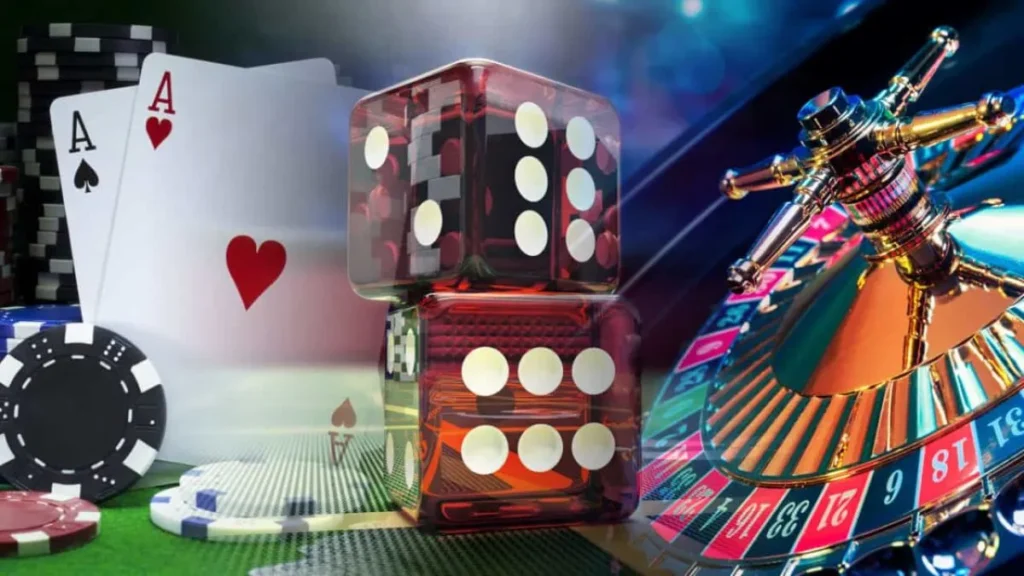
The interplay between psychological factors and luck can perpetuate a cycle of gambling behavior. For many, the thrill of a near-miss or a small win can overshadow the reality of losing money, fueling the belief that luck will eventually change. This phenomenon is particularly pronounced in games with frequent payouts, as players may convince themselves that their winning streak is just around the corner, even when statistical probabilities suggest otherwise. Such cognitive biases can lead to reckless betting behaviors, as players fail to recognize the long-term trends in their gambling habits.
Skill vs. Luck: The Games That Require Strategy
While many casino games are largely driven by luck, some require a higher level of skill and strategy. Poker is a prime example where understanding probability, player psychology, and strategic betting can significantly enhance a player’s success. In these games, experienced players often demonstrate that while luck can influence the outcome of a hand, skill ultimately dictates long-term results. This distinction between luck and skill is crucial for players who aspire to improve their game and achieve consistent success.
In poker, players utilize their knowledge of the game to make informed decisions that increase their chances of winning. Factors such as position at the table, reading opponents, and managing one’s bankroll come into play, showcasing that proficiency can sometimes outweigh mere luck. For example, a skilled player may fold a hand that seems lucky but is statistically weak, while an inexperienced player might chase a losing hand, highlighting the importance of strategic thinking in gambling. This separation of skill and luck is essential for players looking to thrive in a competitive environment.
Moreover, games like blackjack also combine elements of luck and skill. While the shuffle of the deck is random, players can implement strategies such as card counting to improve their odds. Such strategies highlight that understanding the mathematical aspects of the game can indeed tip the scale in a player’s favor. Therefore, it’s crucial for aspiring players to recognize the balance of luck and skill in various casino games and to approach them accordingly. This knowledge can not only enhance their gameplay but also provide them with a more realistic outlook on their chances of winning.
Popular Misconceptions About Luck in Gambling
Many myths and misconceptions about luck in casino games persist in popular culture. One common belief is that players can somehow “hot” or “cold” machines, leading them to assume that they can influence outcomes. This notion often leads to misguided strategies where players shift their focus on which machines to play based on perceived performance, ignoring the reality that each spin is independent of past results. This misunderstanding can result in players spending more time and money on certain machines, believing they are due for a win based on previous losses.
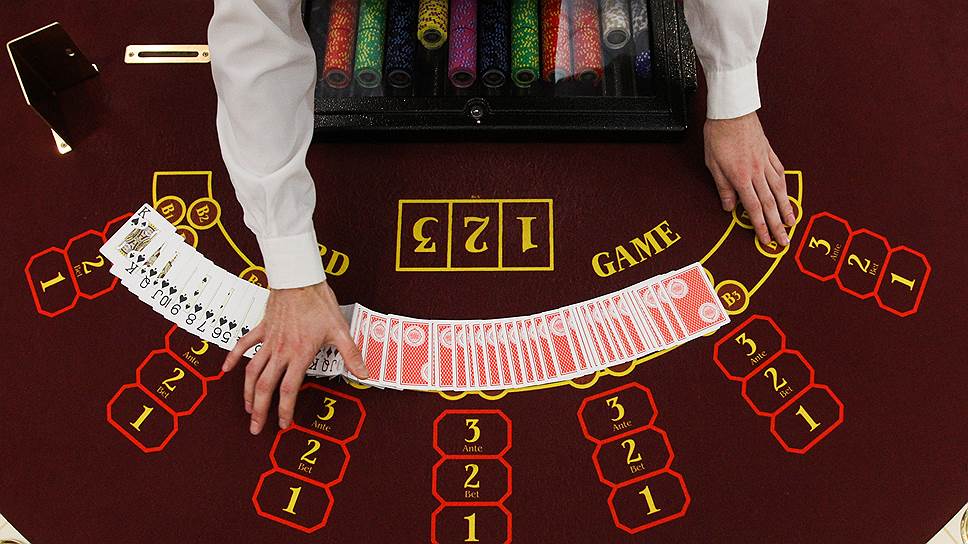
Another prevalent misconception is that certain days or times are luckier for gambling. This belief can lead players to make decisions based on superstition rather than sound strategy or understanding of the odds. For example, some players may think that weekends draw more lucky players, which can impact their gaming experience. By relying on these misconceptions, players often miss out on the critical element of informed decision-making, which can enhance their overall success in gaming. Recognizing the randomness of the games can empower players to make more rational choices.
Furthermore, many players fail to recognize the house edge that is built into all casino games. This edge ensures that the casino will always have an advantage over the player in the long run. Understanding this concept is essential for any gambler, as it signifies that while luck may play a role in individual sessions, over time the odds are not in favor of the players. Acknowledging this reality can help players make more rational and informed choices when indulging in casino games. Awareness of the house edge can lead to more strategic gameplay and potentially better financial outcomes in the long run.
Conclusion: The Role of Luck in Casino Success
Ultimately, the question of whether luck can influence success in a casino is nuanced. While luck undeniably plays a significant role in the short-term outcomes of many casino games, skill and strategy often prevail in the long run, especially in games that require analytical thinking and psychological insight. Players who understand the balance between luck and skill are better equipped to navigate the gambling landscape more effectively. This understanding can lead to more fulfilling gaming experiences and potentially better results over time.
Moreover, the psychological aspects of luck, including the emotional highs and lows associated with gambling, can lead to patterns of behavior that affect decision-making. Acknowledging this interplay is vital for any player aiming for success in a casino. By recognizing the limits of luck and focusing on skillful play, gamblers can enhance their overall experience and potentially increase their chances of winning. This holistic approach to gambling can empower players with the knowledge they need to make informed decisions and enjoy their time at the casino.
For those interested in learning more about casino games and effective strategies, there are numerous resources available that delve into the complexities of both luck and skill. Understanding these elements can provide a richer and more informed perspective on the gambling experience, leading players to make choices that are both entertaining and potentially rewarding. Embracing the nuances of luck and skill can transform a casual gambling experience into a more strategic and enjoyable endeavor.